Professional Animal Control Options: Defending Your Residence Humanely
Expert wildlife removal services serve an essential role in preserving a balance between human habitation and local ecosystems. By focusing on humane methods, these professionals address wildlife issues without causing harm. They utilize live traps and relocation strategies, ensuring the well-being of animals while protecting properties. Recognizing the importance of this approach prompts questions about the effectiveness of various techniques and how they can promote coexistence. What are the most common challenges in this field?
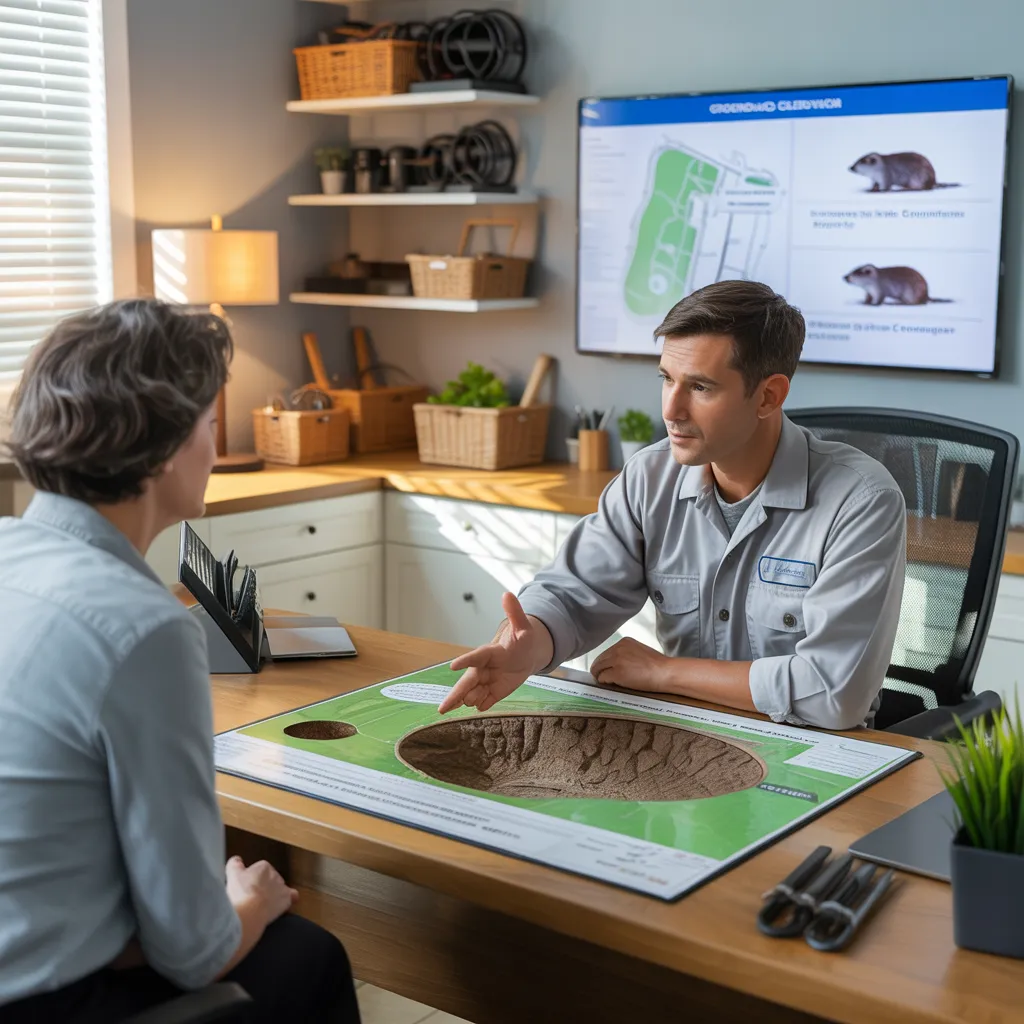
Why Ethical Wildlife Removal Is Important
Humane wildlife removal embodies the principle of peaceful cohabitation, harmonizing the needs of both humans and animals. This approach recognizes that wildlife often searches for shelter and resources in human-dominated areas, leading to potential conflicts. By employing humane methods, wildlife removal services emphasize the safety and welfare of animals while addressing human concerns.
These services highlight non-lethal strategies, including relocation and prevention, instead of extermination. This not only cuts down animal suffering but also enhances a healthy ecosystem. Moreover, humane removal practices support public awareness and education on local wildlife, building respect and understanding.
Communities enjoy advantages from reduced animal-related problems, ultimately leading to a more peaceful connection between humans and nature. As urban areas grow, the significance of humane wildlife removal becomes increasingly evident, ensuring a lasting harmony that respects the inherent worth of all living beings.
Frequent Wildlife Challenges and Ethical Fixes
As cities expand, various wildlife species often move into neighborhoods, leading to common problems such as structural harm, health risks, and disruptions. Raccoons, for instance, can infiltrate attics, causing building deterioration and noise. Squirrels may gnaw on wires, posing fire hazards. Additionally, deer can destroy gardens and landscaping, while birds may nest in unwanted areas, raising the risk of droppings that carry diseases.
Humane solutions to these issues focus on exclusion and prevention. Installing secure trash bins and using raccoon-proof bird feeders can deter scavengers. For squirrels, closing off access routes and providing alternative nesting sites can minimize invasions. Garden modifications, such as planting deer-resistant plants, can help safeguard gardens. These strategies not only lessen wildlife conflicts but also promote peaceful coexistence, ensuring both property safety and the welfare of local wildlife.
How Professionals Assess Wildlife Issues
Specialists assess wildlife issues through a structured approach that incorporates observation, evidence collection, and analysis. Initially, they conduct a thorough survey of the property, seeking for signs of wildlife presence such as droppings, tracks, or nesting materials. This physical evidence helps recognize the species involved and the extent of the problem.
Next, experts evaluate possible access areas and habitats that might draw wildlife, considering elements like nutrition availability and refuge. They also analyze the property's surroundings, including landscaping and structural features, to identify any changes that can mitigate upcoming problems.
Additionally, experts may compile from homeowners about observations or disturbances, providing essential context for their evaluation. By integrating these assorted elements, wildlife removal experts can develop a detailed grasp of the circumstances, ensuring that ensuing actions are informed and efficient in managing the animal issues.
Compassionate Strategies for Safe Critter Removal
Using humane techniques for wildlife removal ensures the protection of both the animals and the environment. Specialists working in this sector apply techniques designed to minimize stress and harm to the animals included. Live traps, for instance, are commonly used to capture animals without creating damage. After being captured, wildlife is often relocated to appropriate habitats distant from human settlements, ensuring their welfare.
Additionally, professionals may employ exclusion techniques, such as closing off access areas, to prevent future intrusions. This approach focuses on altering the environment rather than harming the animals. Using organic repellents, like scents or sounds that discourage wildlife from approaching, further enhances security. Educating homeowners about strategies for coexistence is also part of the humane approach, promoting respect for local wildlife. Overall, these methods reflect a dedication to humane standards, reconciling people's requirements with the protection of animals.
How to Prevent Animal Encroachments
Avoiding wildlife intrusions requires proactive measures that create an environment less inviting to creatures. Homeowners should begin by securing trash bins with secure lids and maintaining edible items, such as pet food and birdseed, indoors or in sealed containers. Additionally, gardens should be fenced or protected with netting to deter browsing wildlife.
It is essential to secure possible openings, such as fissures in roof areas, wall sections, and base structures, using products like steel mesh or caulk. Regularly inspecting and maintaining structures can help identify vulnerabilities before they become a problem.
Landscaping decisions also have a key part; selecting native plants can lessen the draw to certain wildlife. Finally, removing standing water and debris eliminates habitats that entice animals. By putting into practice these approaches, property owners can greatly reduce the likelihood of unwelcome wildlife meetings.
The Perks of Coexisting With Local Wildlife
Existing alongside local wildlife delivers significant value, such as organic pest management through natural predators. Additionally, nurturing a diverse ecosystem enhances biological variety, contributing to environmental equilibrium. Recognizing these benefits can encourage more harmonious interactions between humans and wildlife.
Sustainable Insect Management Advantages
Welcoming indigenous wildlife improves eco-friendly pest control by bringing a sustainable solution that benefits both ecosystems and homeowners.By additional information permitting native species such as birds, bats, and beneficial insects to flourish, properties can adequately control pest populations without chemical interventions.By feeding on insects that threaten gardens and crops, these animals reduce the need for pesticides.Additionally, promoting a natural balance helps maintain healthy soil and promotes pollination, crucial for plant development.Homeowners who adopt this approach may find a more resilient environment, while also helping the preservation of local biodiversity.Coexisting with wildlife therefore not only defends properties but also supports the health of the surrounding ecosystem.

Biodiversity Promotion Approaches
When homeowners understand the value of local wildlife, they can implement effective biodiversity encouragement strategies that create a harmonious environment. Planting native flora not only offers food and habitat for different creatures but also enhances the aesthetic appeal of properties. Installing nesting structures for birds and bats can attract helpful animals that help manage pest populations naturally. Homeowners can create water sources, such as ponds or birdbaths, to sustain local fauna. Additionally, reducing pesticide use and keeping organic gardens encourages a healthier ecosystem. By embracing these approaches, individuals not only enhance their properties but also aid in protecting local biodiversity, creating a harmonious relationship with wildlife that helps both the environment and the community.
Often Asked Questions
What Certifications Do Wildlife Removal Experts Typically Have?
Experts in wildlife removal usually possess relevant certifications, experience in animal behavior, knowledge of local laws, and training in humane handling techniques. Many hold degrees in wildlife biology, environmental science, or a related area, ensuring effective and ethical practices.
How Expensive Are Professional Wildlife Removal Services?
Professional animal removal services commonly run between $150 to $500, varying based on factors like the animal type, the extent of invasion, and the removal and prevention methods applied.
Is Wildlife Removal Protected for Pets Using Various Approaches?
Animal removal techniques can differ in safety for pets. Many experts focus on compassionate approaches, ensuring reduced danger. However, pet owners should inquire regarding specific methods used to guarantee their animals' protection during the extraction procedure.
What should I perform While waiting for the Expert's arrival?
While anticipating the expert's arrival, the homeowner should secure pets indoors, remove food sources, and seal access areas. Monitoring the situation quietly guarantees safety and minimizes stress for both the animals and household members.
How Do I Contact Regulators About Unlawful Wildlife Control Operations?
To report illegal wildlife removal practices, individuals should contact nearby wildlife officials or environmental protection organizations, supplying detailed information about the incident. They may also record proof, such as photographs or video footage, to substantiate their claims.